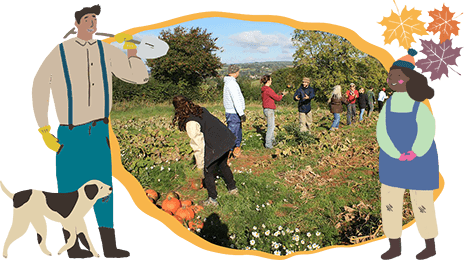

As we wrap up our 15th growing season at The Community Farm, Food and Farming Manager, John Miller, reflects on a hugely significant year for our growing team.
We entered the season with an ambitious crop plan and a team in their third year, confident we could keep innovating. What followed exceeded all expectations: record yields across almost every crop line. Despite 2025’s extreme sunshine and soil that often resembled a Martian landscape, a strong irrigation plan paid off. Squash, onions, apples, courgettes and kale all thrived.
With our targets surpassed, we’re now turning to winter projects. We’re exploring rainwater harvesting from the warehouse roof for storage and use next season, and we’ve begun an agroforestry project that will evolve over several years. Inspired by research from Andy Dibben and Ben Raskin, our aim is for every crop to sit within 50 metres of a year-round pollen source. More hedgerows and flowering species will divide fields, starting with a new pear orchard behind the polytunnels, complete with a perennial wildflower understory.
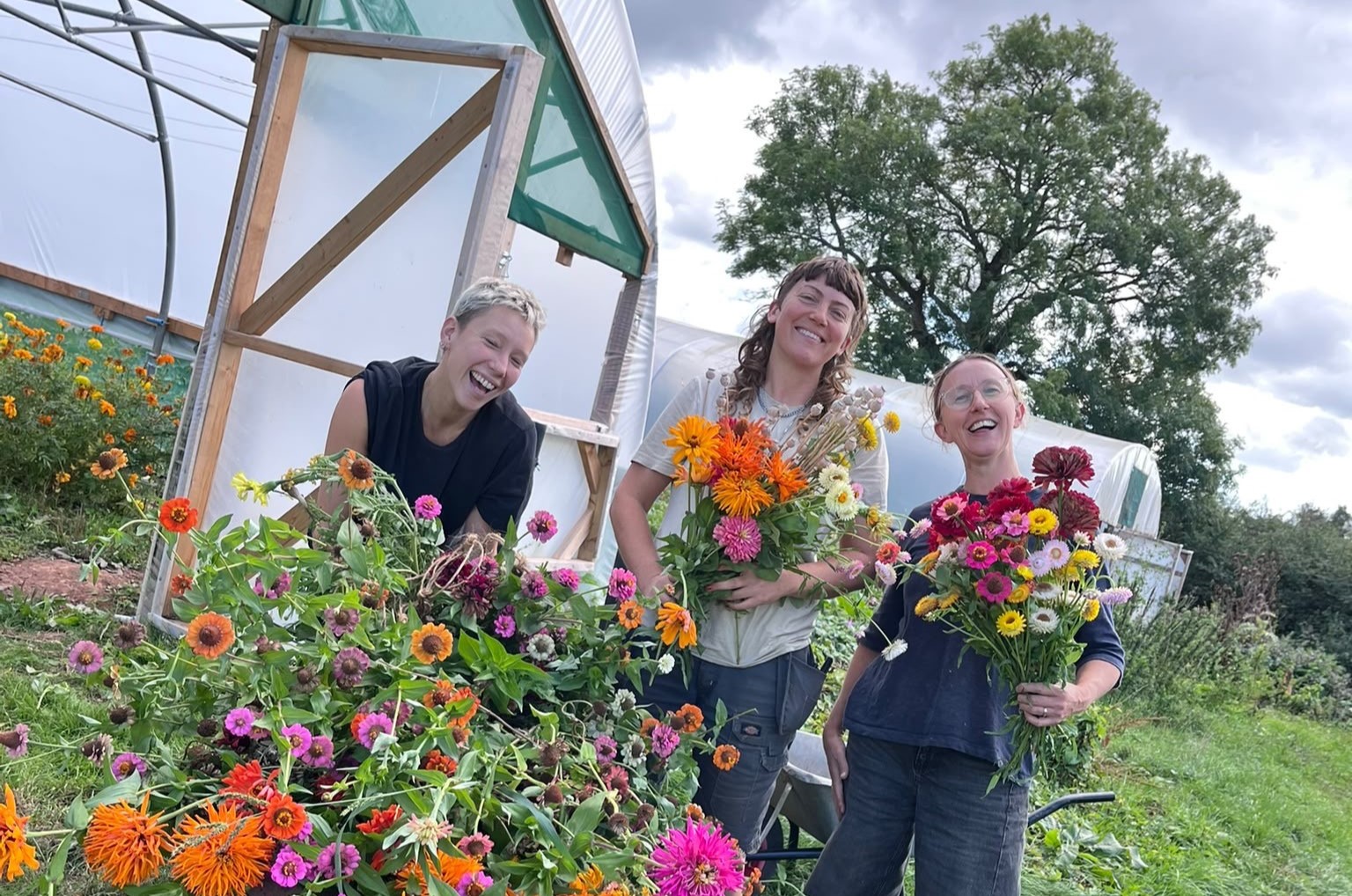
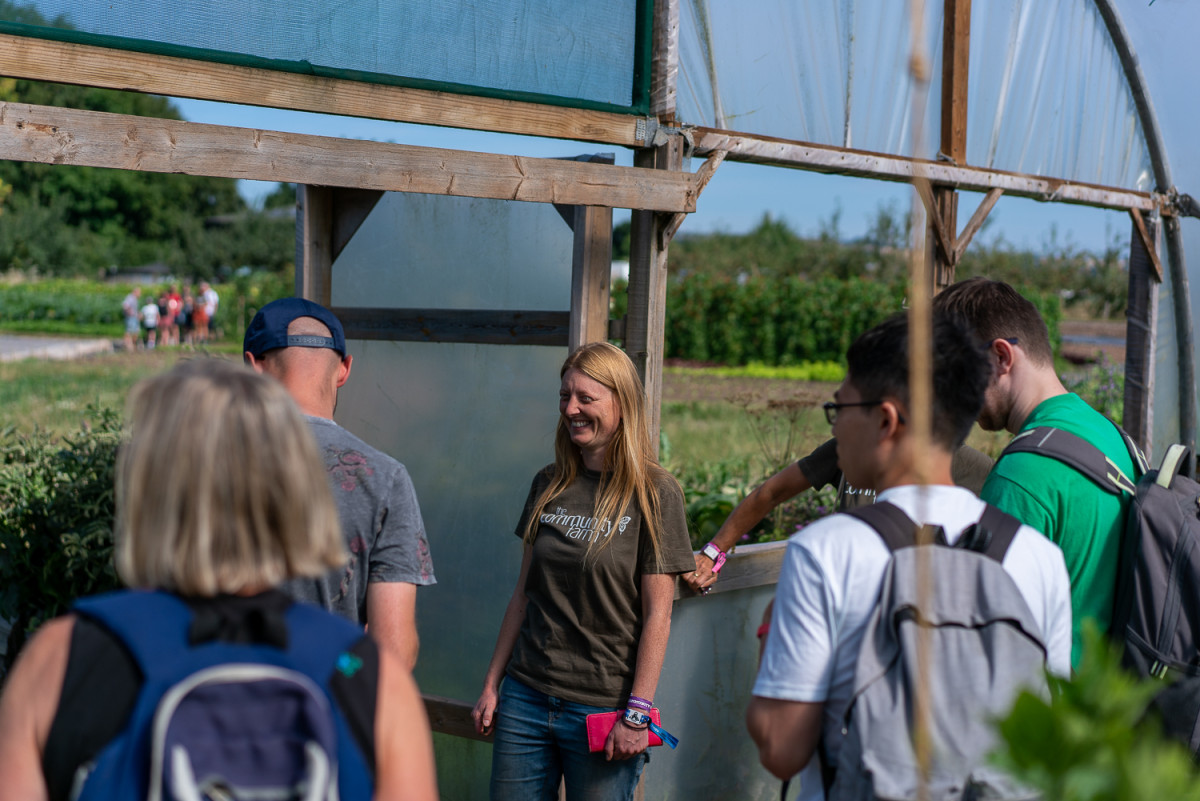
As the land shifts into winter, our team is also changing. Grower Will, a longstanding volunteer, is stepping back from day-to-day growing to lead projects like those above. We’ve also said goodbye to Grower Nick—here since 2021 and most recently head of field-scale operations—whose humour and energy made a lasting impact. Assistant Grower Miki leaves after three seasons to travel, and Volunteer Co-ordinator Maya moves on after bringing huge warmth and joy to volunteer sessions.
Though it’s the end of an era, it’s also the start of an exciting new chapter. We’ve welcomed two brilliant growers: Anna, former Head Grower for Michelin-starred Wilson’s, and Lydia, stepping up from her seasonal role. Together with Harley, they form the team that will carry us into 2026 and beyond. I’m grateful to work alongside them all.
Wins to Celebrate
– Extra irrigation lines and a strong rota kept crops thriving in the heat.
– Early chard and kale performed well; flexible allium sales reduced waste.
– Spring onions and chicory excelled in the market garden.
– Polytunnels delivered excellent tomatoes, kale and padrons.
– Mid-season walkarounds and streamlined fridge systems boosted communication.
Challenges We Faced
– A high water bill (£3,714) revealed leaks and heat stress issues.
– Weed pressure outpaced hand-weeding capacity.
– Crop planning hiccups caused kale gluts and gaps in autumn greens.
– Harvest inefficiencies, bean structure failures and late winter salad sowings added pressure.
– Ventilation issues in tunnels led to bolting.
Key Learnings
– Later direct sowings doubled yields.
– Bush squash varieties improved mowing access.
– Adjusted leek spacing improved size and quality.
– Onion handling needs refining.
– Flexible sales remain essential.
Looking Ahead
In 2026, we’ll focus on fixing irrigation leaks, simplifying crop plans, mechanising weeding and sowing winter salads earlier. We’ll trial later brassicas, improve tunnel ventilation and develop perennial edges to support pollinators.
Want to Get Involved?
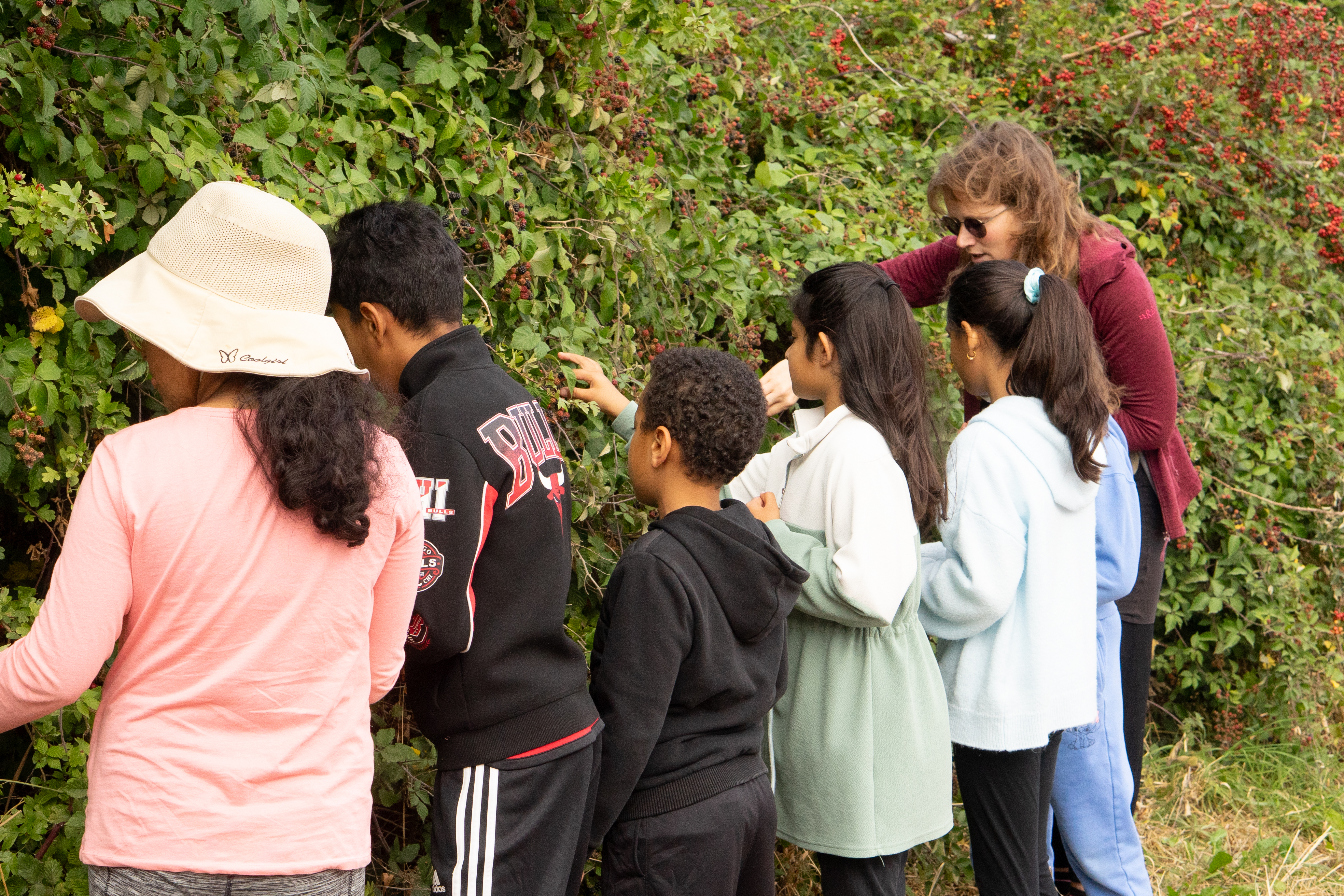
We’re looking for volunteers for next season—whether you love planting, harvesting or learning about sustainable growing. It’s a brilliant way to connect with the land, build new skills and join a passionate community. Find out how you can get involved here!